If you have curly hair, chances are this is one of the first questions you’ve asked — or been asked.
With so much information online categorising curls into numbers and letters, it’s easy to believe that knowing your curl type is the key to finally understanding your hair. While curl typing can be helpful in some ways, it’s often given far more importance than it deserves.
The truth is, your curl type alone does not determine how your hair behaves, what products you need, or how your curls should be cut or styled.
Our approach
In our salon, we don’t work by curl type alone. We take the time to assess your hair’s density, strand thickness, porosity, scalp health and lifestyle, so your curls are treated as uniquely as you are.
Because beautiful curls aren’t about fitting into a category — they’re about understanding and caring for your hair.
Let’s talk about what actually matters.
What is curl type, really?
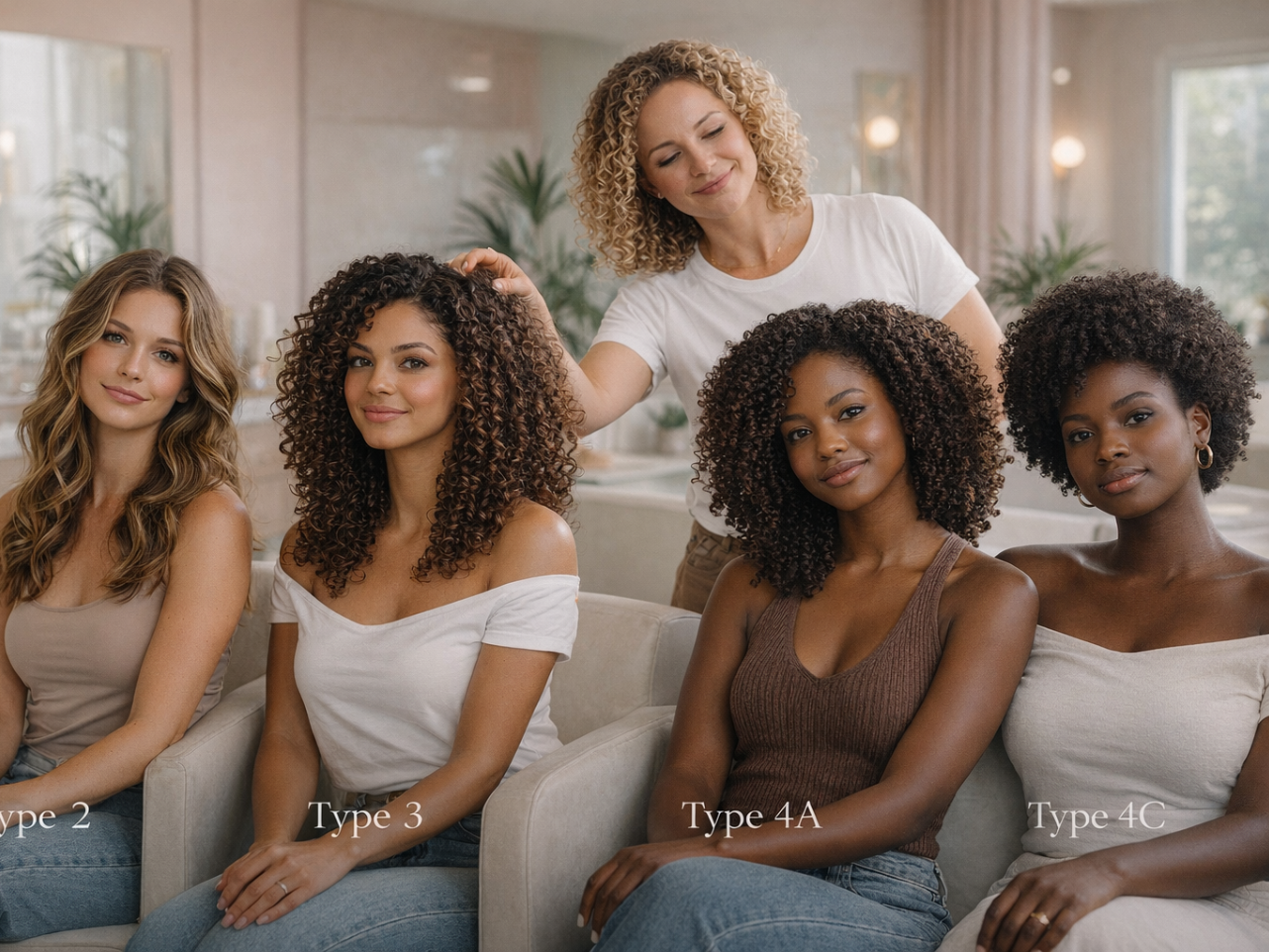
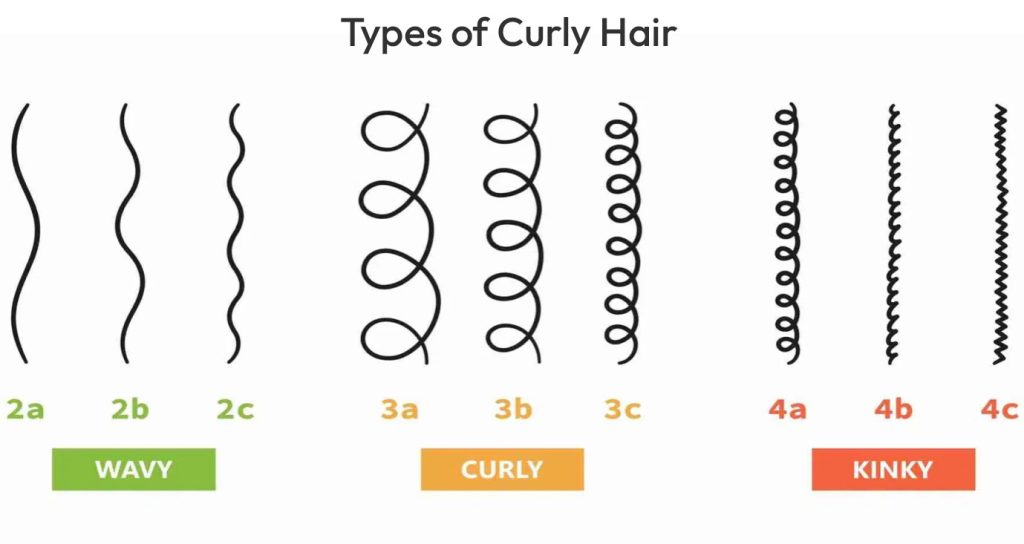
Curl typing usually refers to the 2–4 system. Type 2 – Wavy; Type 3 – Curly; Type 4 – Coily
Each category is further broken down into A, B, and C subtypes. This system is simply a way to describe the visual pattern of your hair when it’s styled naturally. That’s it!
It doesn’t measure hair health, hydration, density, or how your hair responds to products or techniques.
Does knowing your curl type really matter?……not very much for real curl care.
Curl type:
doesn’t tell you which products will work for you
doesn’t determine how often you should wash
doesn’t explain frizz, dryness, or breakage
doesn’t guide how your curls should be cut
Two people with the same curl type can need completely different routines.
This is why so many people feel confused or frustrated when they “follow the rules” for their curl type and still don’t get the results they were hoping for.
What actually matters for your curls
Instead of focusing on curl type, we look at factors that truly influence how your hair behaves day to day.
1. Density – how much hair you have
Fine density vs thick density affects:
volume
how heavy or light your hair feels
how your haircut is shaped and layered
Low density hair needs a very different approach to thick, dense curls — even if the curl pattern looks similar.
2. Strand thickness – fine, medium or coarse
Strand thickness determines:
how easily hair gets weighed down
how much moisture or protein your hair can tolerate
how strong or delicate your curls are
Fine curls and coarse curls require very different product weights and cutting techniques.
3. Porosity – how your hair absorbs and retains moisture
Porosity is one of the most important and often overlooked factors in curly hair care.
Low porosity hair tends to repel water and product, and can build up easily
High porosity hair absorbs moisture quickly but loses it just as fast, often feeling dry or frizzy
Understanding porosity changes everything — from how you cleanse to how you hydrate and seal moisture into your curls.
4. Scalp health
Healthy curls begin at the scalp!
Build-up, dehydration, or imbalance at the scalp level will always affect curl formation, definition, and longevity.
5. Styling and drying techniques
How much water you use, the order of products, and how your curls are dried (including diffuser technique) can completely transform your results — even without changing a single product.
So… is curl type useless?
Not totally.
Curl type can be:
helpful for visual reference
useful when describing your hair
great for inspiration and before-and-after comparisons
But it should never be the foundation of your curl routine.
The truth most curlies aren’t told
Your curls:
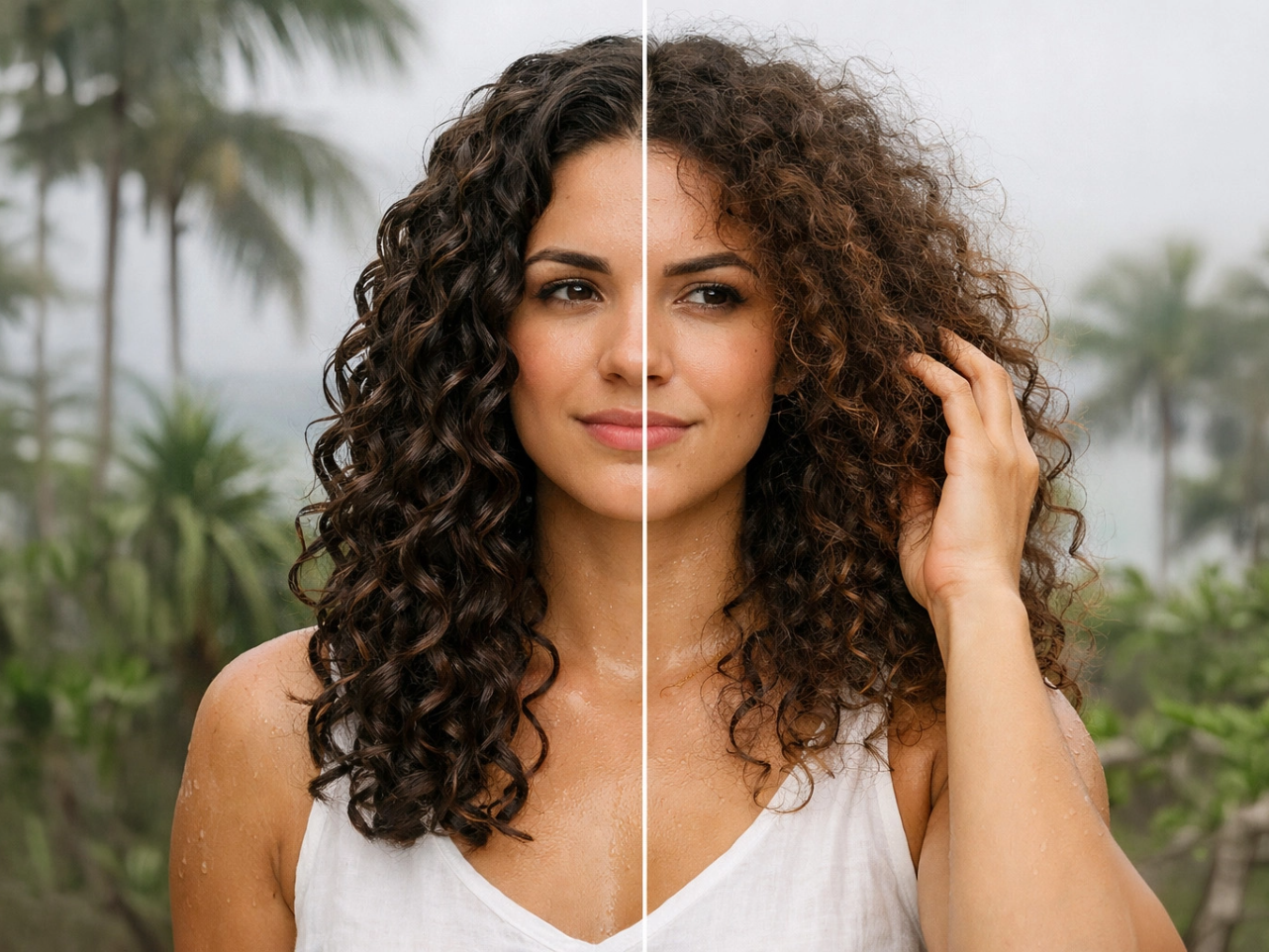
can look like 2C on day, 3B the next
change with hormones, humidity, length and health
evolves as your hair becomes healthier
In reality, curls can shift with:
improved hydration
healthier cutting techniques
hormones
length and weight
climate and humidity
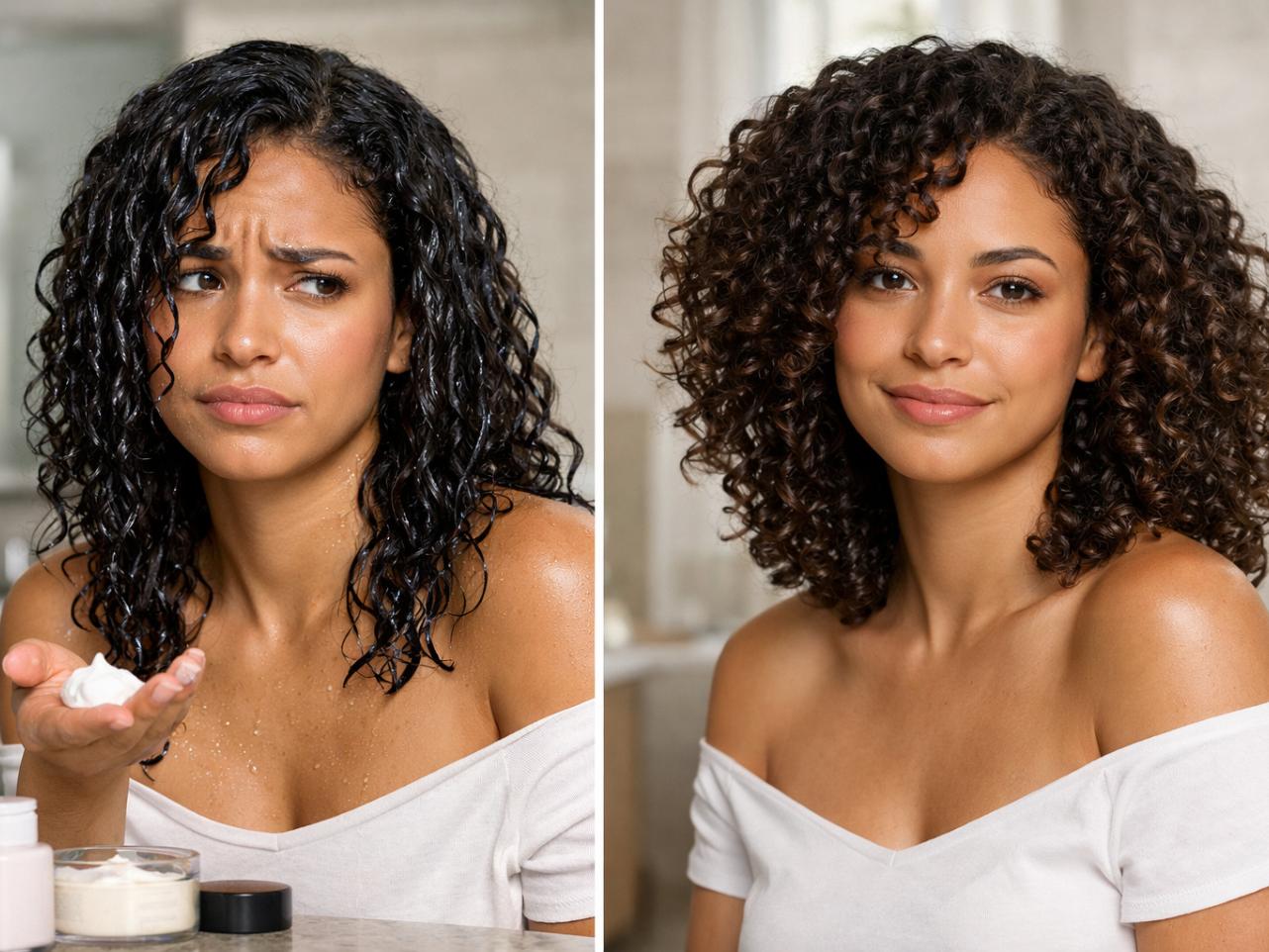
When curls become healthier, they often form more consistently and appear curlier. That’s not your curl type changing — that’s your hair thriving.
A better question to ask
Instead of asking: “What’s my curl type?”
Try asking: “What does my hair need to stay hydrated, defined, and healthy?”
When you understand your hair’s unique needs, everything becomes simpler — and far more effective. That’s where the magic is!
As always, if you have any questions about your curl type or which routine fits you best and what products you should use, we’re here to help!
We’d love to be part of your special day. Complete the form below and we’ll be in touch within 48 hours with availability and further details.
Enquire About Your Child’s Curl Appointment
We’re so excited to welcome your little curly 🤍 Please share a few details below and we’ll be in touch within 48 hours with availability and next steps.
Curly Hair Education — Coming Soon!
Be the first to hear when our education launches 🤍 Designed for hairdressers ready to feel confident working with natural curls!
Education Waitlist Form
Be the first to hear when our education launches Designed for hairdressers ready to feel confident working with natural curls!
Enquire About Your Curl Appointment
We’re so excited to welcome you.
Please share a few details below and we’ll be in touch within 48 hours with availability and next steps.